

Pest control companies get more rodent control calls by answering fast, asking where the signs were seen and how long they have been there, explaining the inspection and the sealing work in plain language, and offering a clear protection plan instead of a one-off spray. A homeowner who hears scratching in the walls wants certainty and a fast visit — the company that gives both usually gets the call.
Introduction: scratching in the walls at 2 a.m.
Nobody plans a rodent problem. A homeowner hears scratching above the ceiling, finds droppings in a cupboard, or sees a rat in the garden, and suddenly the house does not feel safe. They will search, call two or three companies, and book the one that sounds calm, certain, and fast.
That is why rodent work is won on trust before it is won on treatment. The homeowner is inviting a stranger into their home to deal with something they find frightening and embarrassing. The company that explains clearly, moves fast, and follows up properly wins the job — and often keeps the customer for years. This post gives you that system, in the order to build it.
What the numbers say
- 97% of consumers read reviews for local businesses, according to the BrightLocal Local Consumer Review Survey 2026 — a homeowner inviting a stranger into their home reads reviews first.
- 41% of consumers say they always read reviews when browsing, in the same BrightLocal 2026 survey — reviews are not a bonus for pest control, they are the first filter.
- 74% look for reviews from the last 3 months, in the same BrightLocal 2026 survey — a recent review matters more than an old one.
- Google Business Profile signals account for about 32% of local pack ranking weight, according to Whitespark 2026 — being visible on the map when someone searches for rodent help is a large part of winning the call.
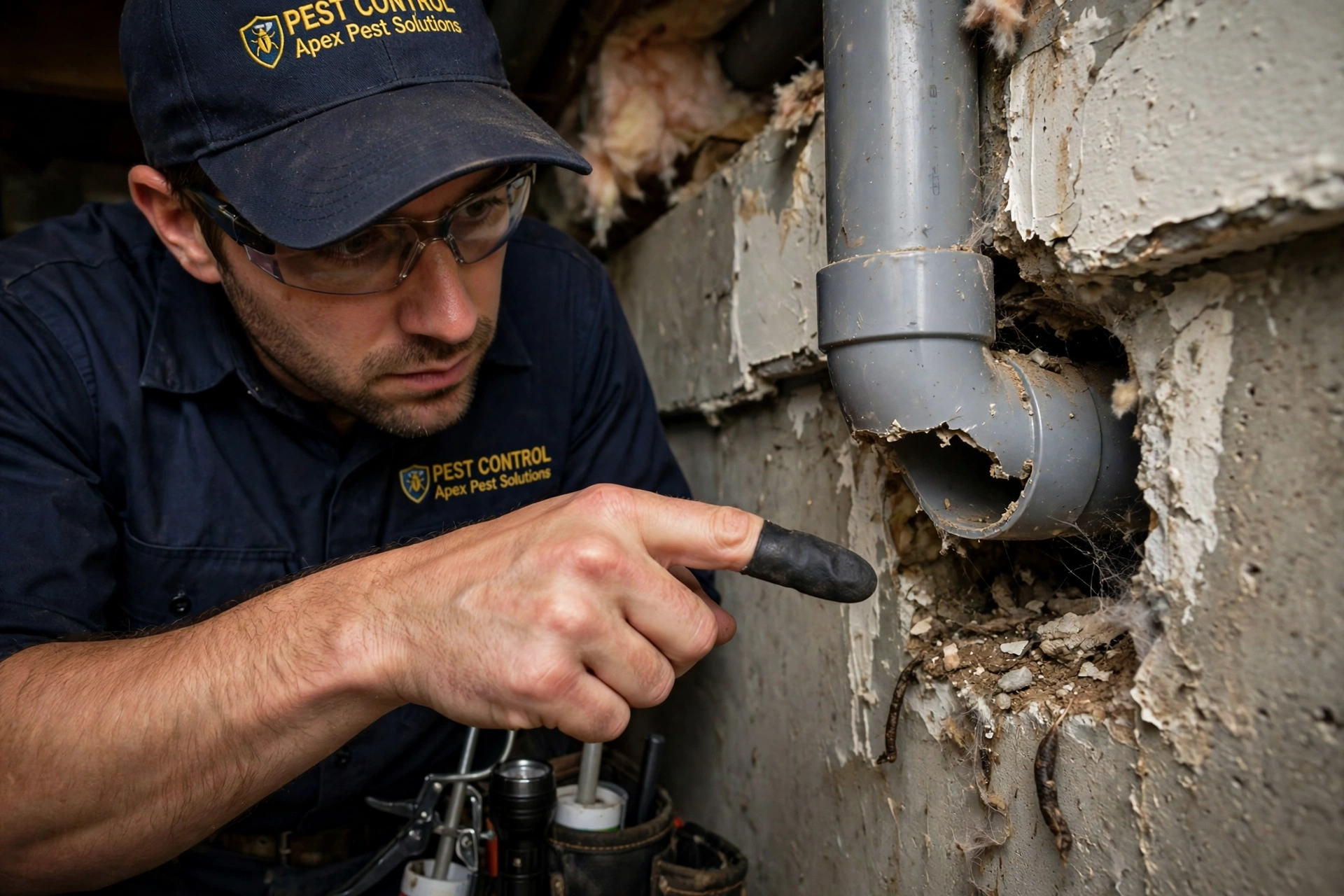
1. Answer fast, and ask where the signs are
A rodent call is an urgent call, even if nobody is in danger. The homeowner is worried, and worry does not wait for a callback at the end of the day.
When you answer, ask four things:
- Where were the signs — roof, walls, kitchen, garage, garden?
- What did they see or hear — scratching, droppings, gnawing, a sighting?
- How long has it been happening, and is it getting worse?
- Are there children or pets in the house, and has food been touched?
Those answers tell you whether this is an inspection today, a trap-and-seal job, or a full plan. A homeowner who hears those questions feels heard, and a homeowner who feels heard books.
2. Explain the inspection before you sell the treatment
Homeowners fear two things about rodent work: that it will not work, and that they will be sold something they do not need. The cure is to explain the inspection first, in plain language, before any price.
Say what the visit covers:
- A full check of entry points: roof gaps, vents, pipes, doors, and the foundation.
- Finding the signs: droppings, runs, gnawing, and nesting material, so the plan is based on evidence.
- A clear answer on what is living there, and how it is getting in.
- A written plan: sealing, trapping, and follow-up visits, with the price for each part.
When the homeowner understands the inspection, the treatment stops sounding like a mystery and starts sounding like a job with a beginning and an end.
3. Sell sealing and proofing, not just trapping
Trapping alone is a short job. A homeowner who pays for traps and still hears scratching a month later will not call you back — they will call your competitor.
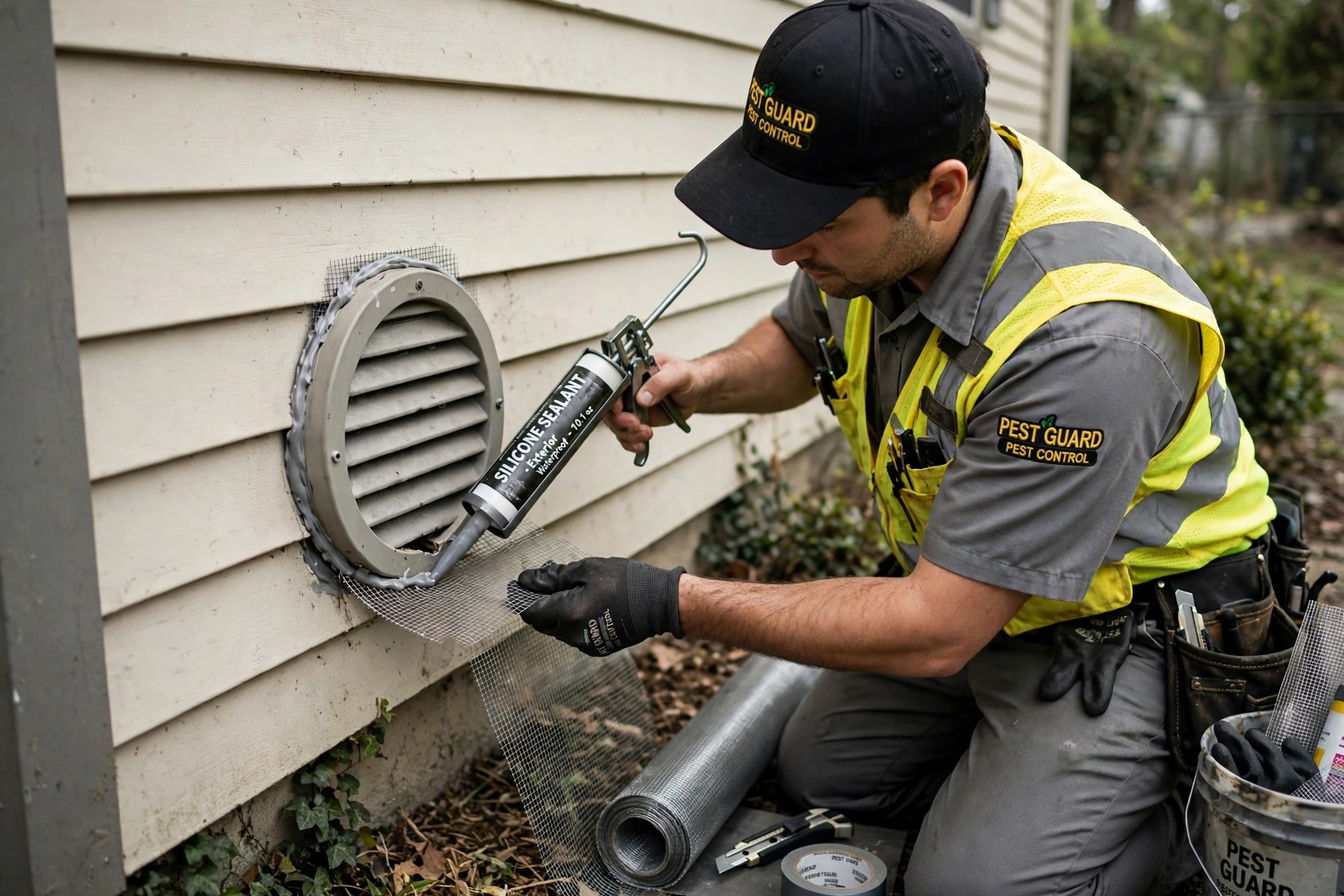
Make sealing the heart of the offer:
- Show the entry points you found, with photos, so the homeowner can see the problem.
- Explain that trapping removes the rodents inside, and sealing stops the next ones coming in.
- Give a clear price for the sealing work, and say what is guaranteed and what is not, in plain words.
- Offer the protection plan as the next step, not as a surprise at the end.
A company that seals entry points solves the problem. A company that only traps rents the problem out for a few weeks.
4. Make the first visit end with a plan, not a promise
A rodent visit should end with a written plan and a next date, not a promise to “send something over”. Before you leave, agree what happens next: traps set, sealing booked, and the follow-up visit date.
A useful first visit covers four things:
- The findings, shown and explained, not just listed.
- The plan in writing: what will be sealed, what will be trapped, and when.
- The price, in writing, with the plan price separate from the one-off price.
- A text confirmation afterwards, with the date, time, and what to expect.
If the homeowner needs time to decide, agree a callback time and keep it. That one call is often the difference between a signed plan and a lost customer.
5. Turn one rodent job into a protection plan
Rodent work is the best route to a recurring customer in pest control, because the problem returns if the house is not protected. The plan should be offered as protection, not as a sales add-on.
Offer it simply:
- Explain that seasons change the pressure: cold drives rodents in, and a sealed house stays sealed only if it is checked.
- Offer quarterly visits that check the seals, reset traps, and look for new gaps.
- Give the plan price next to the one-off price, so the homeowner can compare honestly.
- Remind them by text before each visit, so the plan feels like a service, not a forgotten subscription.
A customer on a protection plan is worth far more than a one-off job, and they are the customer who leaves the review that brings the next rodent call. Related reading: How Pest Control Companies Get More Local Customers — the local visibility system this rodent work builds on.
6. Follow up after the job, and ask for the review then
Rodent work is judged after the noise stops, not on the day of the visit. A follow-up call a few days later is the moment that turns a satisfied homeowner into a reviewer and a repeat customer.
Do three things after every rodent job:
- Call or text after a few days: has the scratching stopped, and is anything still worrying them?
- If there is still activity, book the follow-up visit fast, without an argument about whose fault it is.
- Ask for a review when the house is quiet again, and send the link by text the same day.
A homeowner who was checked on after the job will recommend you to a neighbour who hears the same scratching. That recommendation is worth more than any advert.
The 6-step rodent control system, in order
- Answer fast, and ask where the signs are and how long they have been there.
- Explain the inspection first, in plain language, before any price.
- Sell sealing and proofing, not just trapping.
- End the first visit with a written plan, a price, and a next date.
- Turn the job into a protection plan, offered as protection, not an add-on.
- Follow up after a few days, fix any remaining activity fast, and ask for a review.
Checklist: what to do this week
- Write down your four rodent questions, and use the same words on every call.
- Build a one-page inspection sheet: entry points, signs found, sealing needed, price.
- Take photos of entry points on every rodent visit, and show them to the homeowner.
- Write one short follow-up text template for three days after a rodent job.
- Offer the protection plan on every rodent job for one full week, and note how many say yes.
What to avoid
- Returning a rodent call at the end of the day, when the homeowner has already booked someone else.
- Selling traps only, with no sealing, and calling the job done.
- Quoting a price before explaining what the inspection covers.
- Leaving a visit with no written plan and no next date.
- Asking for a review before the homeowner knows whether the scratching has stopped.
Frequently Asked Questions
What should you do next?
Want us to check where your pest control leads are leaking? Book a free audit with DigiXpot. We will review how fast rodent calls are answered, what homeowners experience when they call, and the fastest fixes first.
Contact: info@digixpot.us | digixpot.us
